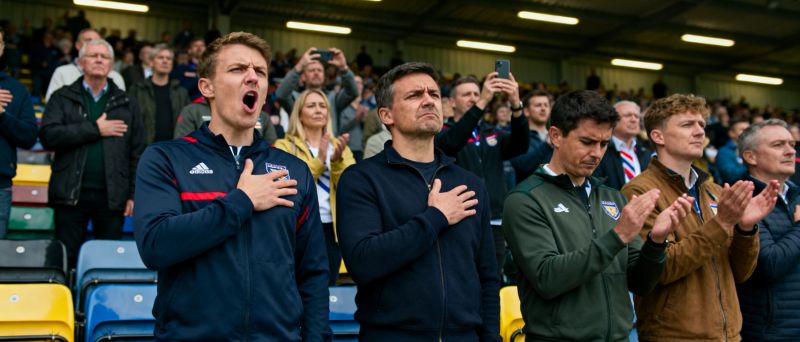
Colin Kaepernick knelt. Four years later, a crowd at a Boston Red Sox game booed the national anthem so loudly that the singer's voice was barely audible. The response was immediate—some called it disrespect, others called it democracy in action. Booing the national anthem is not an attack on the country;it is a symptom of a country healthy enough to let its citizens complain out loud.I watched that Red Sox clip twice. The boos weren't uniform. They came in waves—a low rumble from the bleachers, then a sharper jeer from somewhere near third base. A few fans clapped back, trying to drown it out. The anthem singer, a local firefighter。kept going. That messy, overlapping noise is what free speech sounds like when it collides with patriotism. The people booing weren't burning flags or blocking the field. They were using the one moment the entire stadium was forced to stand and listen to register a complaint. That's not treason. That's a pressure valve.Critics argue that booing the national anthem dishonors veterans and divides the country. Fair point—it does divide. But unity without dissent is just enforced silence. In 1968, protesters at the Mexico City Olympics raised black-gloved fists during the U.S. anthem. They were banned from the Games. Fifty years later, their gesture is taught in schools as a turning point. The boos we hear now might feel raw and ugly, but history has a way of reclassifying rude noise as necessary friction. I don't have to like the sound of booing to defend the right to make it.Here's what bothers me about the backlash: the same people who demand respect for the anthem often cheer when protesters shout down speakers on college campuses or heckle politicians they dislike. The principle can't be "boo what I hate, stay silent for what I love." If booing the national anthem is unacceptable, then booing anything is on the table. The First Amendment doesn't carve out a sacred hour before sporting events. It protects the boo as much as the cheer.The real test isn't whether we enjoy hearing boos during the anthem. It's whether we can tolerate them without reaching for a punishment. Next time the anthem starts and someone behind you boos, resist the urge to shush them. Listen instead. You might learn what they're angry about—and that's worth more than a moment of forced reverence.